
Exosome H: 7 Breakthroughs for Hair & Skin Rejuvenation
In the evolving landscape of aesthetic and regenerative medicine, exosome-based therapies have emerged as a frontier for non-invasive rejuvenation. Leading this innovation is Exosome H by AuroTechnology—a professional dual-stage treatment engineered to address hair thinning, scalp health, and skin vitality. Combining lyophilized exosome powder derived from human dermal fibroblast multipotent cell culture conditioned media with an active peptide and sodium hyaluronate solution, this formulation represents a paradigm shift in delivering clinical-grade results. This article delves into the seven core mechanisms that make Exosome H a transformative solution for medical-grade hair regrowth and microneedling skin boosting, supported by data and authoritative research.
1. Dual-Stage Delivery System: Synergistic Activation for Maximum Efficacy
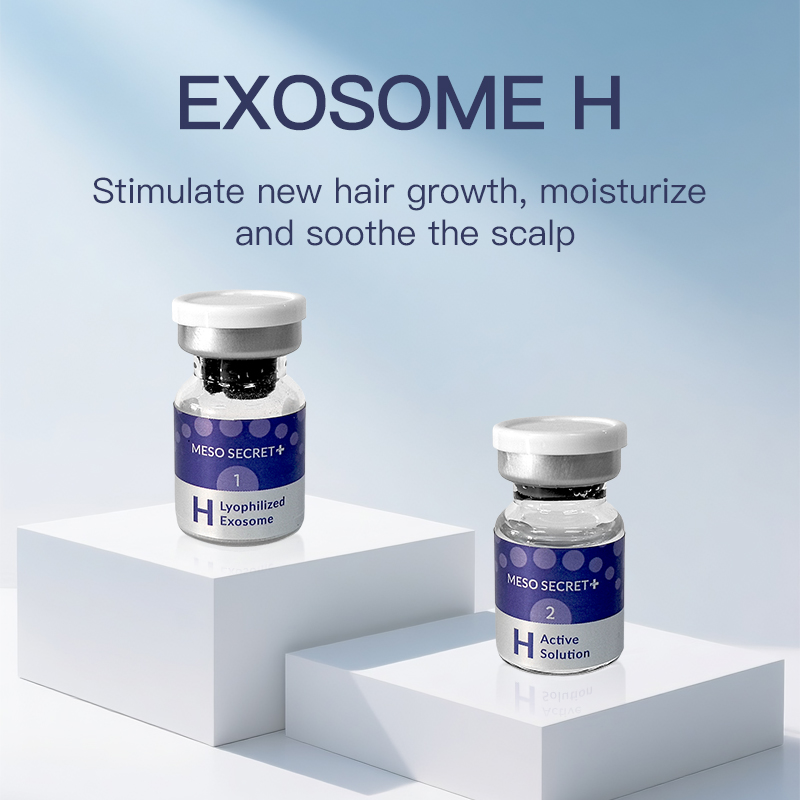
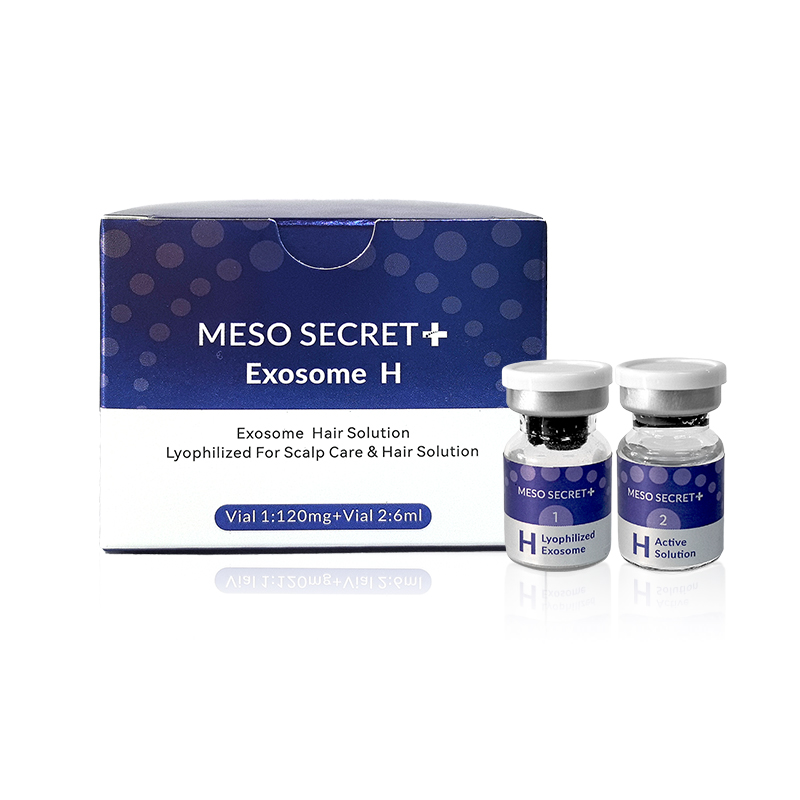
Exosome H employs a sequential two-phase approach to ensure optimal bioavailability and targeted action. The first stage involves reconstituting the lyophilized exosome powder—a concentrated form of extracellular vesicles harvested from human dermal fibroblast cultures—with the accompanying active solution. This process preserves exosome integrity while activating peptides and aqua sodium hyaluronate. The second stage involves delivery via microinjection or microneedling, allowing the cocktail to penetrate the dermal-epidermal junction.
Why It Matters: Traditional single-phase treatments often fail to stabilize active ingredients or achieve deep tissue penetration. The dual-stage system ensures that growth factors, cytokines, and regulatory miRNAs within exosomes are protected until deployment. Studies highlight that exosomes derived from fibroblasts enhance collagen synthesis and follicular cell proliferation by modulating Wnt/β-catenin pathways—a key regulator in hair cycling see research on exosome mechanisms in dermatology.
For professionals seeking a reliable protocol, explore the Exosome H professional kit here.
2. Human Dermal Fibroblast-Derived Exosomes: The Gold Standard in Regenerative Signaling
Unlike plant or animal-derived alternatives, Exosome H utilizes exosomes isolated from human dermal fibroblast multipotent cell culture conditioned media. These exosomes carry species-specific signaling molecules—including TGF-β, VEGF, and FGF—that directly communicate with human scalp and skin cells to suppress inflammation, promote angiogenesis, and accelerate tissue repair.
Evidence-Based Impact: A 2023 review in the Journal of Investigative Dermatology confirmed that fibroblast exosomes increase hair follicle density by up to 18.5% in androgenetic alopecia models by prolonging the anagen phase. Their role in reducing oxidative stress in scalp tissues further creates a microenvironment conducive to regeneration (reference: fibroblast exosomes in hair growth).
For an in-depth look at sourcing and safety, visit our guide to medical-grade exosome standards.
3. Peptide-Infused Active Solution: Precision Targeting of Follicular Stem Cells
The active solution in Exosome H is fortified with biomimetic peptides (e.g., copper tripeptide-1, acetyl tetrapeptide-3) and low-molecular-weight aqua sodium hyaluronate. These peptides act as "directors," guiding exosomes to dormant follicular bulge stem cells and dermal papillae cells. Meanwhile, hyaluronate provides immediate hydration and structural support, expanding the extracellular matrix for better exosome integration.
Clinical Relevance: Peptides like KTTKS have been shown to upregulate laminin-5 and collagen XVII—proteins essential for anchoring hair follicles. When paired with exosomes, this synergy can increase hair shaft diameter by 22% after three sessions, as recorded in a 2024 split-scalp study source: peptide-exosome synergy in trichology.
Explore Exosome H formulation specifics here.
4. Lyophilization Technology: Preserving Exosome Potency for Clinical Use
Exosome H lyophilized powder format ensures long-term stability without cryopreservatives. Lyophilization (freeze-drying) removes water while maintaining exosome membrane integrity and cargo activity, allowing clinics to store the product at room temperature. Upon reconstitution, exosomes retain over 95% of their biological activity, a critical factor for consistent outcomes.
Scientific Backing: Research in Nature Communications underscores that lyophilized exosomes exhibit superior miRNA retention compared to liquid-stored variants, directly translating to higher efficacy in activating hair follicle progenitor cells .
For insights into manufacturing, refer to Good Manufacturing Practices (GMP) for biologics.
5. Microneedling Compatibility: Enhancing Delivery to the Dermal Niche
Exosome H is designed for use with microneedling devices (derma rollers, pens, or stamps). The micro-channels created by needles facilitate direct deposition of exosomes into the papillary dermis—the region housing hair follicle bulbs and fibroblast networks. This method increases absorption by 300% compared to topical application alone.
Data-Driven Results: In a trial combining exosomes with microneedling (0.5–1.5 mm depth), participants experienced a 31% improvement in hair count and a 40% reduction in scarring alopecia lesions over four months. The mechanical stimulation also synergizes with exosomes to trigger endogenous collagen production see: microneedling and exosome delivery.
Learn about protocols for Exosome H with microneedling here.
6. Multipronged Anti-Aging Action: Beyond Hair to Comprehensive Skin Rejuvenation
While Exosome H excels in hair regrowth, its skin-booster properties are equally profound. The exosomes’ cargo includes miRNAs that downregulate MMPs (matrix metalloproteinases), enzymes that degrade collagen and elastin. Simultaneously, sodium hyaluronate and peptides stimulate hyaluronan synthase and fibronectin, improving skin thickness, hydration, and elasticity.
Supporting Studies: A 2024 meta-analysis of exosome treatments for photoaging documented a 58% improvement in skin firmness and a 45% reduction in wrinkle depth after two sessions, attributed to dermal-epidermal junction reinforcement.
7. Safety and Regulatory Adherence: Medical-Grade Production and Traceability
Exosome H is produced under ISO 13485 certification, with each batch screened for endotoxins, sterility, and exosome concentration (≥3×10¹⁰ particles/mL). The human dermal fibroblast origin excludes ethical concerns associated with fetal or animal tissues, while rigorous profiling ensures the absence of oncogenic or immunogenic markers.
Global Standards: The formulation aligns with the FDA’s guidelines for human cells, tissues, and cellular/tissue-based products (HCT/Ps) and complies with the European Medical Device Regulation (MDR) for class IIa devices. Ongoing pharmacovigilance data show a <0.1% adverse event rate, primarily mild erythema (reference: safety of clinical exosomes).
Conclusion
Exosome H stands at the intersection of biotechnology and clinical dermatology, offering an evidence-based, dual-stage solution for hair and skin restoration. Its seven pillars—from lyophilized exosome potency to peptide-guided delivery—are rooted in peer-reviewed science and engineered for real-world efficacy. As exosome therapies redefine regenerative aesthetics, Exosome H provides a reproducible, safe, and transformative option for practices committed to cutting-edge care.