
What to avoid after pdo thread lift?
|
Outline 4.What areas can PDO thread lift treat? 5.What do you need to do before treatment? 6.How long does PDO thread lift last? |
|
PDO thread lifts are a revolutionary new treatment in the world of aesthetics, but PDO threads themselves have been used safely for decades in a variety of applications, such as treating gynecological conditions or closing incisions after medical procedures. There are a few things you should know when used as a cosmetic treatment. First, it mechanically leads to an instant skin lift. Second, it shrinks adipose tissue, which instantly tightens the skin. Third, it promotes collagen production and the formation of new blood vessels, thereby renewing your skin at the cellular level. All of these work together to give you enhanced skin texture, reduce fine lines and wrinkles, and make skin more elastic. |
|
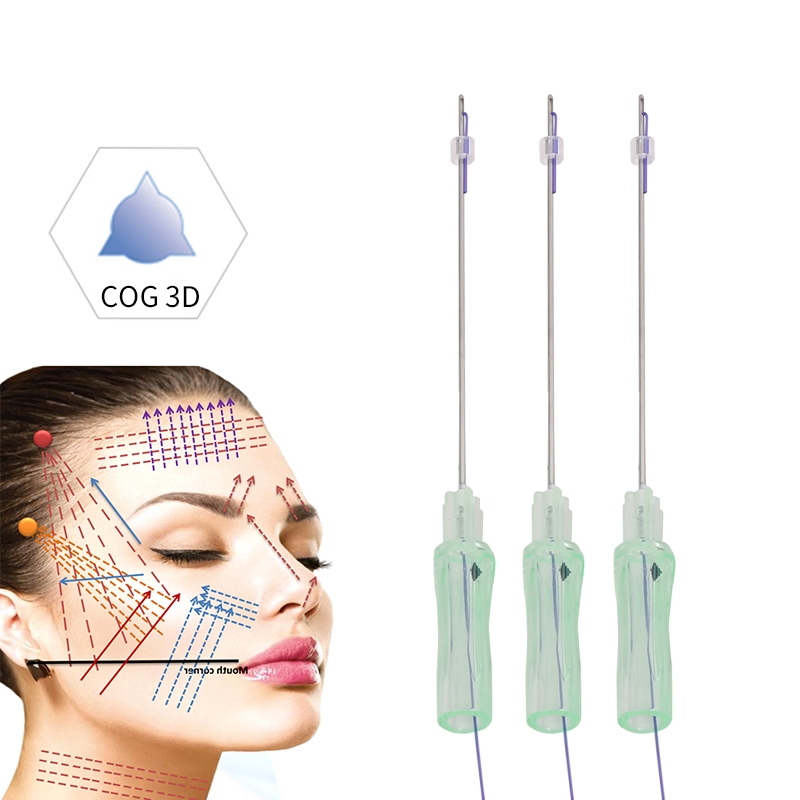
There are three different types of textures used in thread lifts – mono, cog, and screw – each with their own benefits. Mono Thread This is a good choice for those who only want skin tightening and minimal lifting. Mono threads are completely smooth, so they need an anchor point in order to give the skin the lift it needs. To make sure the desired skin has maximum tightening, they are often inserted in a mesh-like pattern. Anywhere from 10 to 30 threads can be used in each individual area to achieve this effect. Cog Thread Those looking for a more significant lift might want to use cog threads. Cog threads are barbed, which supports sagging skin tissue and increases the amount of collagen that will be produced. The barbs hook under the skin, giving the threads a built-in anchor point and providing added skin tightening. Screw Thread One or two threads are intertwined around the insertion needle to amplify results. Screw threads are able to offer increased volume to the targeted area. These are best used to reverse sunken areas of the skin to help achieve a V-shape face. |
|
|
PDO thread lift requires a clean face for treatment. Before your treatment, we will cleanse your skin and then numb your face to ensure you remain comfortable during the treatment. Your technician may use a special pen to mark your treatment areas to ensure we treat each area included in your treatment plan. Insert thread These threads are inserted under the surface of the skin using a hypodermic needle. PDO threads are made from polydioxanone, a material used to make sutures, and they come in different textures and types. Treatment includes the following steps: • A topical numbing cream is applied and left on the skin for a few minutes to desensitize the treatment area. • The skin is marked to delineate where threads will be inserted and in which direction. • A tiny hollow needle is used to insert the threads beneath the skin. As the thread moves through the dermis, it adheres and gently repositions the tissue around it. One or more threads may be inserted to achieve the desired result. • Once the tissue has been lifted, the needle is removed. No incisions are needed so no stitches or sutures are placed. During treatment, you can lie down and relax in a semi-reclined position. Your treatment area will be numb so you will not feel any pain or discomfort. Another benefit of this treatment is that you will not experience any downtime. You can resume your daily activities and even return to work if necessary after an appointment. Our patients love this treatment because it doesn't require a long recovery period or a lot of downtime. All you need to do to care for your skin after treatment is to avoid stretch treatments on the area for two weeks. |
What areas can PDO thread lift treat?
|
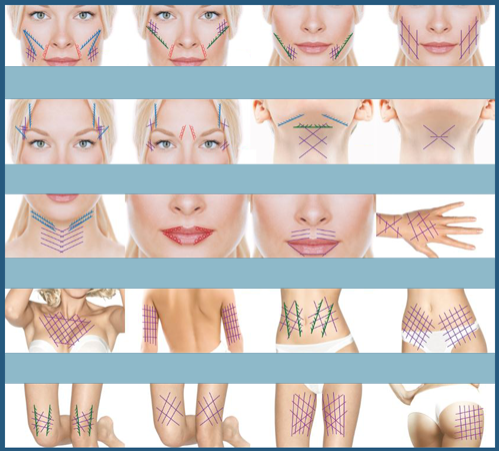
•Neck •Jowls •Jaw line •Naso jugal folds •Nasolabial folds •Crow’s feet •Undereye area •Eyebrows •Cheeks •Marionette lines •Breast •Buttocks |
What do you need to do before treatment?
|
Since the PDO thread lift is non-invasive, you don't need to do much preparation. However, there are some precautions you can take to ensure the best results from your treatment. Here are things you should avoid a day or two before treatment: • Alcohol • ginkgo • Omega fish oil supplement • traditional Chinese medicine • Vitamin E • high-intensity exercise • Steam room and sauna |
How long does PDO thread lift last?
|
When some people hear about a new PDO thread lift treatment, they can't help but ask, "What's the bottom line?" The bottom line is always about results, so you may be wondering first, if this treatment is worth it, and second, what your results will be. how long it lasts. This treatment is very effective as it provides immediate and long-lasting results. The initial treatment will lift and support your skin and you will notice this effect right after the treatment. The treatment will also trigger some long-term results, such as collagen production. These results come over time, so once you leave the appointment, you can rest assured that your results will get better over time. In six to eight months, you will experience the final result. Results vary from patient to patient, but most people prefer results that last 18 months or more. |
what to avoid after pdo thread lift?
|
To ensure the best results, several things must be avoided after the PDO has been embedded. These include sleeping on your stomach or side, wearing makeup, drinking alcohol, making extreme facial expressions, and receiving facials and massages. Sleeping on your stomach or side One of the worst things you can do after a thread lift is to put too much pressure on the treated area. If you sleep on your back or side for the first 5 nights after treatment, you may experience swelling, discomfort, bruising, or poor results. If you usually lie on your side or prone or toss and turn overnight, practice lying on your back a few weeks before treatment. If you still roll over after finding a comfortable supine position, sleep on a recliner to reduce the risk of sleeping on your side after treatment. Alternatively, build a towel fort around yourself in your bed. Make up There are many reasons why makeup should be avoided for the first 12 hours after treatment. First, your skin is sensitive in the first few hours after treatment. Even cosmetic products that usually cause only minor skin irritation should be avoided. Second, it is important that your skin is able to breathe for the first 12 hours after treatment. Makeup can suffocate your skin. Lastly, most women put a lot of pressure on their skin when removing makeup. To reduce the risk of putting too much pressure on the face, it is best to avoid makeup for the first 12 hours after treatment. Get facials and massages Facial massages and facials should be avoided for the first 10 days after treatment. Facial massage should be avoided to reduce the risk of putting too much pressure on the treated area. This reduces the risk of swelling, bruising and the thread being accidentally pushed out of place. Facials should be avoided for the same reasons as to avoid makeup. Facials may involve putting too much pressure on the treated area. Some facials also involve the use of strong chemicals that can irritate your skin for some time after your sensitive skin treatment. Becoming overheated In short, the things you should avoid after a PDO thread is that you should avoid putting too much pressure on your face and raising your blood pressure. While you may not realize it, prolonged exposure to heat can significantly raise your blood pressure. To keep your blood pressure within the normal range, avoid excessive heat. To do this, take a warm bath instead of a hot one, and avoid tanning beds, dry saunas, steam rooms, steaming soups, and sunbathing. Staying hydrated can also help you stay cool and maintain normal blood pressure. Drinking Alcohol You should avoid alcohol for the first two weeks after a thread pull for several reasons. First, alcohol is a diuretic, which means it flushes out excess water and essential nutrients that are vital to skin health. Second, drinking alcohol can significantly increase your blood pressure. Smoking Unfortunately, smoking is another common activity that raises blood pressure. Dozens of compounds in cigarette smoke, including nicotine, constrict your blood vessels. This means, among other things, that nutrients cannot flow efficiently through the bloodstream to the skin. It's important to note that any product that contains nicotine can raise your blood pressure. For example, smoking cessation tools such as nicotine patches and nicotine gum must also be avoided. If you are not sure you can go 14 days without nicotine, please refer your PCP to a specialist to help you quit smoking before treatment. Vigorous Exercise The last activity that most commonly raises blood pressure is vigorous exercise. Moderate exercise, such as walking, jogging, and leisurely swimming is fine. However, if your workout is so intense that you can't sing or have a conversation, then you're exercising too hard and your heart is under undue stress. |
what to do after PDO thread lift?
|
It is important to avoid certain activities after tangent. But what you do is just as important as what you avoid. Things you should do after a thread lift include using a mild antibiotic cream and attending follow-up appointments a few weeks after treatment. |
Choose us, you will become more beautiful